
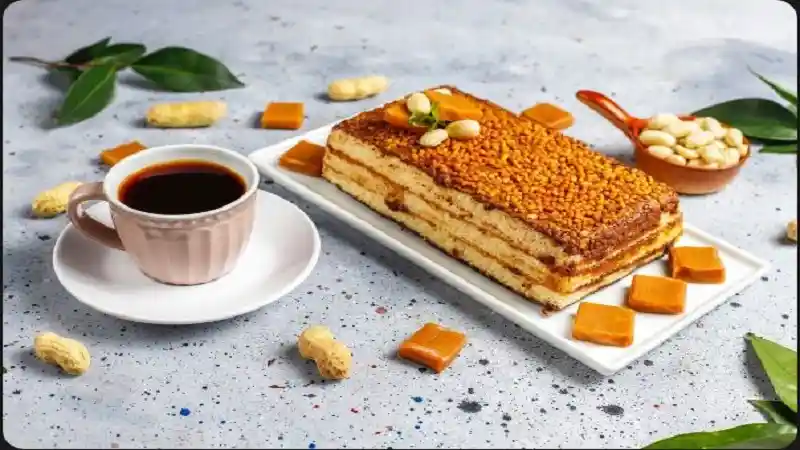
Butterfinger cake is a rich, indulgent dessert that combines chocolate cake with the crunchy, peanut-buttery flavor of Butterfinger candy bars. It is widely known for its moist texture and layered sweetness, often enhanced with caramel and whipped toppings. The dessert has gained popularity in American kitchens due to its simplicity and bold flavor profile.
Many variations exist, but the core idea remains the same: blending cake with candy for a decadent result. Whether served at parties or family gatherings, butterfinger cake stands out as a satisfying and memorable treat.
The origin of the Butterfinger cake
The concept of butterfinger cake is rooted in the popularity of the Butterfinger candy bar, which was first introduced in 1923 by the Curtiss Candy Company. Over time, home bakers began incorporating crushed candy bars into desserts, leading to creative recipes like this cake. While there is no single inventor of butterfinger cake, it emerged as part of a
broader trend of candy-based desserts in the United States. Its rise reflects how classic sweets inspire new culinary ideas, turning familiar flavors into entirely new dishes enjoyed across generations.
What makes the Butterfinger cake unique
Butterfinger cake stands out because of its distinctive combination of textures and flavors. The cake itself is typically soft and moist, while the crushed candy bars add a crunchy contrast. This interplay creates a layered sensory experience that differs from traditional cakes. The peanut butter and chocolate combination also contributes to its appeal, offering a
balance of sweetness and richness. Additionally, the use of caramel or condensed milk enhances the cake’s depth, making it more than just a standard dessert. These elements together define the unique identity of butterfinger cake.
Key ingredients in the Butterfinger cake
The essential ingredients in butterfinger cake include chocolate cake mix, Butterfinger candy bars, caramel sauce, sweetened condensed milk, and whipped topping. These components work together to create the cake’s signature flavor and texture. The cake base provides structure, while the candy adds crunch and sweetness. Caramel and condensed milk
are often poured into the cake to increase moisture and richness. Whipped topping adds a light, creamy finish. This combination of simple yet flavorful ingredients is one reason butterfinger cake remains a favorite among home bakers.
How butterfinger cake is typically prepared
Butterfinger cake is often prepared using the “poke cake” method. After baking the cake, small holes are poked across its surface, allowing liquid ingredients like caramel and condensed milk to soak in. This technique ensures that the cake becomes exceptionally moist and flavorful . Once the liquid is absorbed, the cake is topped with whipped cream and
crushed Butterfinger pieces. The dessert is usually chilled before serving, which helps the flavors meld together. This straightforward preparation process contributes to the cake’s widespread popularity.
Popular variations of butterfinger cake
There are numerous variations of butterfinger cake, each offering a unique twist on the classic recipe. Some versions include layers of chocolate ganache or peanut butter frosting for added richness. Others incorporate different cake bases, such as vanilla or devil’s food cake. Certain recipes even use cream cheese frosting to introduce a tangy contrast. Bakers
may also experiment with additional toppings like chocolate drizzle or nuts. These variations demonstrate the versatility of butterfinger cake and its ability to adapt to different tastes and preferences.
Why is Butterfinger cake so popular
Butterfinger cake has become popular because it combines familiar flavors in an easy-to-make format. The use of a boxed cake mix simplifies the process, making it accessible to beginners. At the same time, the addition of candy and caramel creates a dessert that feels indulgent and special. Its crowd-pleasing nature makes it a common choice for potlucks and
celebrations . The cake’s ability to satisfy a sweet tooth while remaining simple to prepare has contributed significantly to its enduring appeal.
The texture profile of the Butterfinger cake
The texture of butterfinger cake is one of its most defining characteristics. The base is soft and airy, while the soaked layers add a moist, almost gooey quality. On top, the whipped cream provides a light and fluffy contrast. The crushed Butterfinger pieces introduce a crunchy element, creating a multi-textured dessert. This combination ensures that each
bite offers a mix of softness, creaminess, and crispness. The contrast between these textures enhances the overall eating experience and makes the cake particularly satisfying.
Flavor combinations in butterfinger cake
Butterfinger cake features a harmonious blend of chocolate, peanut butter, and caramel flavors. The chocolate cake serves as a rich foundation, while the candy adds a sweet and slightly salty peanut butter taste. Caramel enhances the sweetness and introduces a buttery depth. Together, these flavors create a balanced yet indulgent profile. Some variations may
include additional elements like vanilla or cream cheese, which add complexity. The interplay of these flavors is a key reason why butterfinger cake remains a beloved dessert option.
Butterfinger cake for special occasions
Butterfinger cake is often chosen for special occasions such as birthdays, holidays, and family gatherings. Its rich flavor and appealing presentation make it suitable for celebrations. The cake can be easily prepared in large quantities, making it ideal for serving groups. Additionally, its familiar ingredients ensure that it appeals to a wide range of tastes. Whether
presented as a centerpiece dessert or part of a larger spread, butterfinger cake adds a sense of indulgence to any occasion and is frequently enjoyed in social settings.
Nutritional Considerations
Butterfinger cake is a calorie-dense dessert due to its combination of cake, candy, and sweet toppings. Ingredients like condensed milk, caramel, and whipped topping contribute to its high sugar and fat content. While it can be enjoyed as an occasional treat, it is not typically considered a health-conscious option. Portion control is often recommended for
those monitoring their intake. Despite its richness, the cake’s nutritional profile is similar to that of other indulgent desserts, making it suitable for moderation rather than regular consumption.
Tips for making the perfect butterfinger cake
To achieve the best results, it is important to follow a few key tips when making the cake. Ensuring the cake is still warm when adding caramel and condensed milk allows for better absorption. Crushing the candy into small pieces helps distribute flavor evenly. Chilling the cake before serving enhances its texture and taste. Using high-quality ingredients can
also improve the overall result. These simple techniques can elevate the final product, making the cake more flavorful and visually appealing.
Common mistakes to avoid
One common mistake when making butterfinger cake is not allowing the liquid ingredients to fully soak into the cake. This can result in a dry texture. Another issue is overloading the cake with toppings, which can make it overly sweet or heavy. Using large chunks of candy instead of finely crushed pieces may also affect the texture. Additionally, skipping the chilling
step can prevent the flavors from properly blending. Avoiding these mistakes helps ensure a well-balanced and enjoyable dessert.
Serving suggestions for butterfinger cake
Butterfinger cake is best served chilled, which enhances its texture and flavor. It can be cut into squares or slices, making it easy to portion. Some people like to add extra toppings such as a chocolate drizzle or additional candy pieces before serving. Pairing the cake with a cold beverage, such as milk, can complement its sweetness. Presentation can also be
enhanced by garnishing with whipped cream or decorative elements. These serving ideas can make the dessert even more appealing and enjoyable.
Storage and shelf life of butterfinger cake
Proper storage is essential to maintain the quality. The cake should be kept refrigerated due to its creamy toppings and moisture content. When stored in an airtight container, it can typically last for several days without losing its flavor or texture. Freezing is also an option for longer storage, although it may slightly alter the consistency.
Allowing the cake to thaw gradually in the refrigerator helps preserve its structure. Following these storage guidelines ensures the cake remains fresh and delicious.
Butterfinger cake in modern baking trends
Butterfinger cake continues to be relevant in modern baking trends, especially with the rise of nostalgic and comfort desserts. Many bakers are revisiting classic recipes and adding contemporary twists, such as gourmet toppings or layered presentations. The availability of Butterfinger baking bits has also made it easier to incorporate the candy into desserts.
This adaptability keeps it popular among both traditional and modern bakers, allowing it to evolve while maintaining its classic appeal.
Comparison with other candy-based cakes
Butterfinger cake is often compared to other candy-based desserts, such as those made with chocolate bars or peanut butter cups. What sets it apart is its signature crunch and peanut butter flavor. Unlike some candy cakes that focus solely on sweetness, it offers a more complex texture. The use of caramel and condensed milk also distinguishes
it from simpler recipes. These differences make it a unique option within the broader category of candy-inspired desserts.
The role of Caramel
Caramel plays a crucial role in butterfinger cake by adding moisture and depth of flavor. When poured into the cake, it seeps into the holes and creates a rich, gooey texture. This not only enhances the taste but also helps keep the cake soft over time. The sweetness of caramel complements the peanut butter and chocolate elements, creating a balanced flavor
profile. Its inclusion is a defining feature of many recipes, contributing significantly to the dessert’s overall appeal.
The importance of whipped topping
Whipped topping is an essential component of butterfinger cake, providing a light and airy contrast to the dense cake and rich fillings. It helps balance the overall texture, preventing the dessert from feeling too heavy. The topping also serves as a base for the crushed candy, ensuring even distribution. In some recipes, the whipped topping is mixed with candy
pieces for added flavor. This element contributes to both the visual presentation and the overall taste.
Butterfinger cake as a make-ahead dessert
One of the advantages of this cake is that it can be prepared in advance. In fact, making it ahead of time often improves its flavor, as the ingredients have more time to blend. This makes it a convenient option for busy schedules or event planning. The cake can be stored in the refrigerator until ready to serve, reducing last-minute preparation.
Its ability to maintain quality over time adds to its practicality and popularity as a dessert choice.
Cultural significance
Butterfinger cake holds a place in American dessert culture as a comfort food that brings together familiar ingredients. It is often associated with home baking, family gatherings, and shared experiences. The use of a well-known candy bar adds a nostalgic element, connecting the dessert to childhood memories. While it may not have a long historical tradition, its
widespread recognition and enjoyment have made it a staple in many households. This cultural relevance contributes to its lasting popularity.
Conclusion
It is a versatile and indulgent dessert that combines the flavors of chocolate, peanut butter, and caramel uniquely. Its simple preparation, rich taste, and appealing texture make it a favorite for many occasions. With numerous variations and adaptations, it continues to evolve while maintaining its core identity. Whether enjoyed as a
homemade treat or a party dessert, it remains a beloved option that highlights the creativity and enjoyment of baking.
Want to enjoy making it at home? Check out my step-by-step recipe here: ButterFinger