
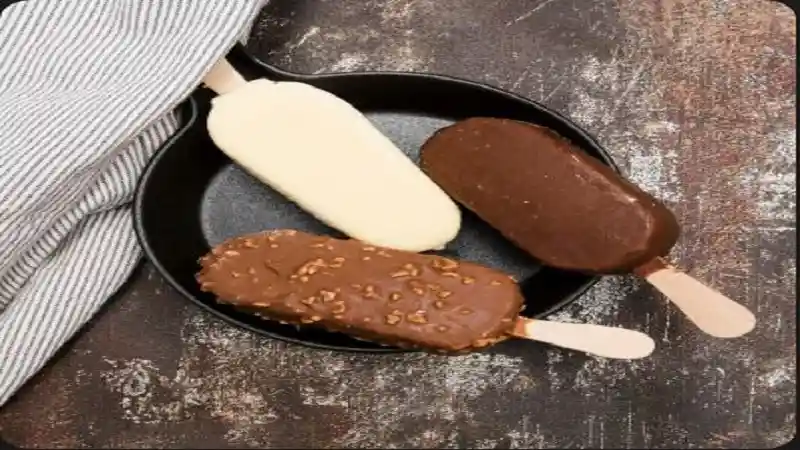
The butterfinger ice cream bar is a frozen dessert that combines creamy ice cream with the signature crunchy, peanut-buttery flavor associated with the classic Butterfinger candy. This treat appeals to those who enjoy both chocolate-coated desserts and textured fillings. Typically, the bar features a rich vanilla or peanut butter ice cream center surrounded by a
crisp chocolate shell infused with Butterfinger pieces. Over time, it has become a recognizable option in the frozen dessert category, offering a balance of sweetness and crunch that distinguishes it from more traditional ice cream bars.
The Origin of the Butterfinger Flavor
The Butterfinger flavor traces back to the early 20th century, when the candy was first introduced as a unique peanut butter-based confection. Its distinct crispiness comes from a process that creates layered, flaky textures. This signature characteristic translated well into frozen desserts, leading to the development of variations like the butterfinger ice cream
bar. By incorporating crushed candy pieces into ice cream, manufacturers were able to preserve the iconic crunch while adding a creamy contrast, making the flavor adaptable across multiple dessert formats and appealing to a wide audience.
What Defines a Butterfinger Ice Cream Bar
A butterfinger ice cream bar is defined by its combination of textures and flavors. It typically includes a smooth ice cream core, often vanilla or peanut butter, layered with or coated in chocolate that contains bits of Butterfinger candy. The contrast between creamy and crunchy elements is essential. Additionally, the outer chocolate shell hardens when frozen,
creating a satisfying snap when bitten. The balance between sweetness, saltiness, and texture is what distinguishes this dessert from other ice cream bars, making it a recognizable and consistent treat.
Ingredients Commonly Used
The ingredients in a butterfinger ice cream bar generally include milk, cream, sugar, cocoa, and peanut butter components derived from the Butterfinger candy pieces. Stabilizers and emulsifiers are often added to maintain texture and shelf life. The chocolate coating is typically made from cocoa solids, cocoa butter, and sugar, while the crunchy
pieces contain peanut butter, sugar, and corn syrup processed to achieve their signature flakiness. These ingredients work together to create a dessert that maintains its structure when frozen while delivering a layered taste experience.
Texture and Flavor Profile
The butterfinger ice cream bar offers a complex texture and flavor profile. The ice cream base provides a smooth and creamy mouthfeel, while the embedded candy pieces add a crisp, brittle crunch. The chocolate coating contributes a firm outer layer that contrasts with the softer interior. Flavor-wise, the dessert blends sweet chocolate with salty, roasted peanut
notes. This combination creates a multidimensional taste that appeals to both chocolate and peanut butter enthusiasts, making it a standout option among frozen desserts.
Nutritional Overview
From a nutritional perspective, a butterfinger ice cream bar is considered an indulgent treat. It typically contains calories derived from fats, sugars, and carbohydrates. The presence of dairy contributes protein and calcium, though in relatively small amounts compared to the overall calorie content. The sugar content can be significant due to both the ice cream and
candy components. While enjoyable in moderation, it is important to consider portion size and frequency of consumption as part of a balanced diet.
Popular Variations
There are several variations of the butterfinger ice cream bar available, including versions with different ice cream bases such as chocolate or peanut butter. Some variations include extra layers of caramel or fudge for added richness. Others may feature a thicker chocolate coating or a higher ratio of candy pieces for increased crunch. These variations allow
consumers to choose based on their preference for texture and sweetness, while still maintaining the core characteristics associated with the Butterfinger flavor.
How It Is Manufactured
The manufacturing process of a butterfinger ice cream bar involves several stages. First, the ice cream base is prepared and partially frozen. It is then shaped into bars and inserted with sticks. Next, the bars are dipped into a liquid chocolate coating that contains Butterfinger pieces. Once coated, the bars are rapidly frozen to solidify the outer shell. This process
ensures that the final product maintains its structure and texture while preserving the contrast between creamy and crunchy components.
Storage and Shelf Life
Proper storage is essential to maintain the quality of a butterfinger ice cream bar. It should be kept at a consistent freezing temperature, typically around 0°F (-18°C). Exposure to fluctuating temperatures can lead to ice crystal formation, which affects texture. When stored correctly, these bars can last for several months without significant loss of quality. It is also
important to keep them sealed in their original packaging to prevent freezer burn and preserve flavor integrity.
Serving Suggestions
A butterfinger ice cream bar is usually enjoyed straight from the freezer, but there are alternative serving ideas. It can be sliced and added to a dessert plate with whipped cream or fruit for contrast. Some people incorporate pieces into milkshakes or sundaes, enhancing the overall texture. Allowing the bar to sit at room temperature for a short time can slightly soften the ice cream, making it easier to bite while still maintaining its structure.
Pairing with Other Desserts
Pairing a butterfinger ice cream bar with other desserts can create interesting flavor combinations. It works well alongside brownies, cookies, or chocolate cake, where the peanut butter notes complement the richness. It can also be paired with lighter desserts like fruit tarts to balance sweetness. The contrast between textures enhances the overall experience, making it a versatile addition to dessert presentations without overwhelming other components.
Appeal Across Age Groups
The butterfinger ice cream bar appeals to a wide range of age groups due to its familiar flavor and satisfying texture. Children often enjoy the sweetness and crunch, while adults may appreciate the nostalgic connection to the original candy. Its straightforward composition makes it accessible, and its balance of flavors ensures that it remains appealing
without being overly complex. This broad appeal contributes to its continued presence in the frozen dessert market.
Comparison with Other Ice Cream Bar
Compared to other ice cream bars, the butterfinger ice cream bar stands out for its crunchy interior elements. Many ice cream bars focus on smooth textures or simple coatings, while this variety incorporates a distinctive crisp component. This difference provides a more dynamic eating experience. Additionally, the peanut butter flavor sets it apart from fruit-based
or caramel-centered bars, offering a unique option for those seeking something beyond traditional chocolate or vanilla treats.
Seasonal Availability
The availability of a butterfinger ice cream bar can vary depending on region and distribution patterns. While it is often available year-round in many locations, some stores may stock it more heavily during warmer months when demand for frozen desserts increases. Seasonal promotions or limited editions may also appear, introducing slight variations in flavor or packaging. These changes can influence consumer interest and availability.
Homemade Alternatives
Creating a homemade version of a butterfinger ice cream bar is possible with basic ingredients. This typically involves making or purchasing ice cream, freezing it in molds, and coating it with melted chocolate mixed with crushed Butterfinger candy. While the texture may differ slightly from commercially produced versions, homemade options allow
for customization of sweetness and ingredient quality. This approach can also accommodate dietary preferences or restrictions.
Role in Frozen Dessert Trends
The butterfinger ice cream bar reflects broader trends in frozen desserts, particularly the emphasis on combining textures and incorporating recognizable candy flavors. This trend has led to the development of numerous hybrid desserts that blend traditional ice cream with popular confections. The success of such products demonstrates consumer interest in familiar flavors presented in new formats, contributing to ongoing innovation within the industry.
Packaging and Presentation
Packaging for a butterfinger ice cream bar is designed to preserve freshness and provide convenience. Individual wrappers protect the bar from contamination and freezer burn. The packaging often highlights the product’s key features, such as the crunchy candy pieces and chocolate coating. Clear labeling of ingredients and nutritional information ensures transparency, allowing consumers to make informed choices about their purchases.
Cultural Recognition
The butterfinger ice cream bar has achieved a level of cultural recognition due to the longstanding popularity of the Butterfinger flavor. It is often associated with classic American snack culture and is frequently included in discussions about nostalgic desserts. This recognition contributes to its continued relevance, as consumers seek out familiar treats that evoke past experiences while still fitting into modern consumption habits.
Dietary Considerations
Individuals with dietary restrictions should be aware that a butterfinger ice cream bar typically contains dairy, peanuts, and gluten-related ingredients. These components can pose challenges for those with allergies or specific dietary needs. Some manufacturers may offer alternative versions, such as dairy-free or gluten-free options, though availability may vary. Reading ingredient labels carefully is essential to ensure compatibility with individual dietary requirements.
Environmental Impact
The production and packaging of a butterfinger ice cream bar contribute to its environmental footprint. Factors such as dairy farming, ingredient sourcing, and packaging materials all play a role. Efforts to reduce environmental impact may include using sustainable ingredients, minimizing packaging waste, and improving energy efficiency in manufacturing.
Consumers increasingly consider these factors when choosing products, influencing industry practices over time.
Consumer Preferences
Consumer preferences for a butterfinger ice cream bar often center on texture, sweetness, and portion size. Some prefer a higher ratio of crunchy pieces, while others favor a creamier composition. Packaging size and price also influence purchasing decisions. Feedback from consumers can lead to product adjustments, ensuring that the dessert continues to meet expectations and remain competitive in the frozen dessert market.
Summary
The butterfinger ice cream bar represents a distinctive combination of creamy ice cream and crunchy candy elements. Its unique texture and flavor profile set it apart from other frozen desserts, while its adaptability allows for various interpretations. From its origins in a classic candy to its role in modern dessert trends, it continues to be a recognizable
option. Understanding its ingredients, production, and variations provides insight into why it remains a consistent choice for those seeking a balanced and textured frozen treat.
Want to enjoy making Butterfinger cake at home? Check out my step-by-step recipe here: ButterFinger